Governance
How decisions, controls and accountability are designed.
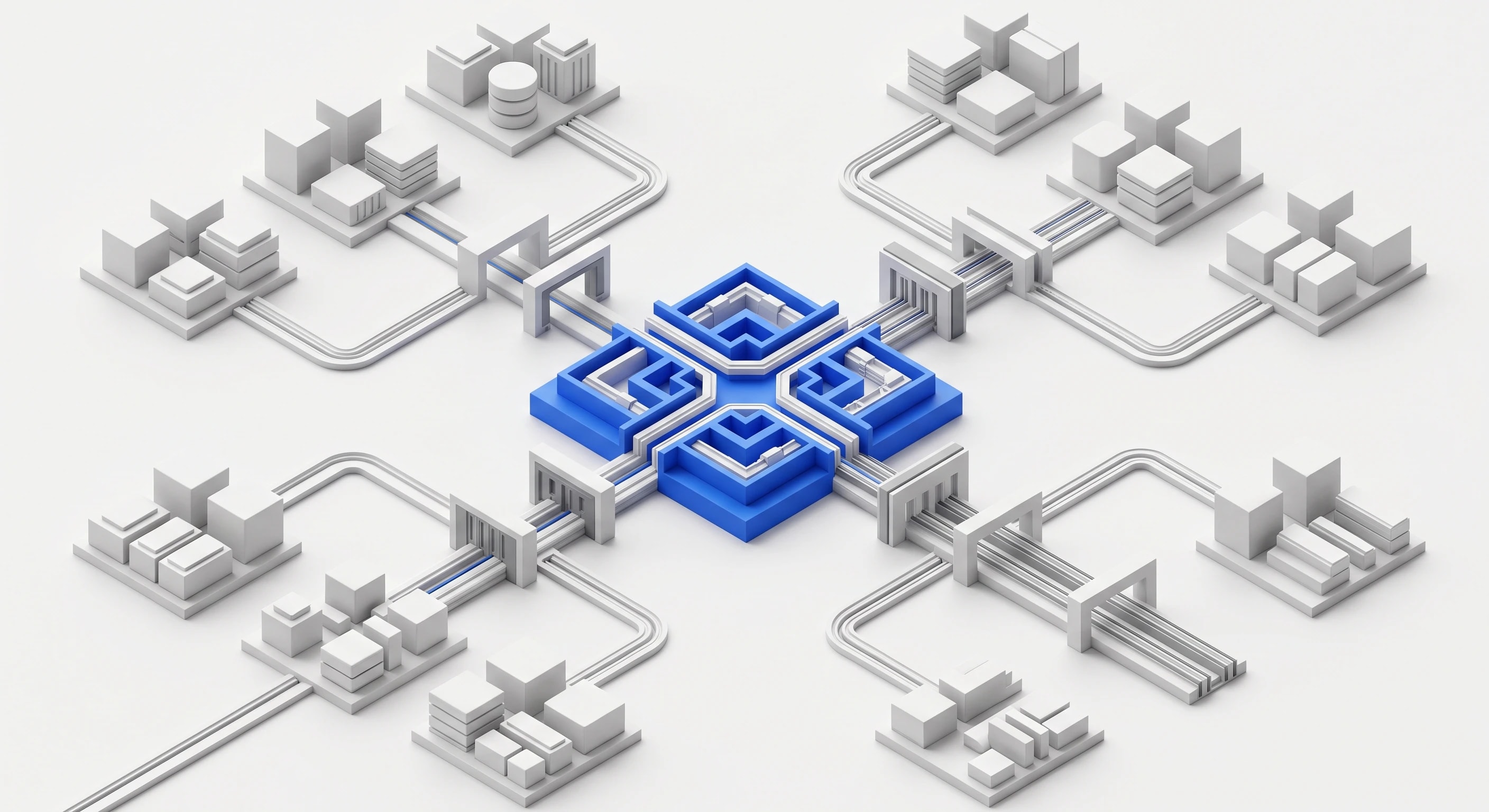
The Governance layer designs who can decide what, which controls apply where, and how accountability is enforced across the architecture.
The design rules for this layer.
Policy as Code
Compliance rules, authority thresholds, and access policies are codified in version-controlled configurations, not buried in static manuals.
Strict Least-Privilege Architecture
Every identity, service account, and background worker possesses only the absolute minimum permissions required to perform its duties.
Continuous Non-Repudiation
Every administrative modification and high-value business transaction generates a cryptographically verifiable audit record.
What we produce for this layer.
Enterprise RBAC & ABAC Access Matrix
Fine-grained mapping of organizational roles, contextual attributes, and cross-system resource entitlements.
Regulatory Audit Automation Framework
Automated continuous evidence-gathering pipelines for ISO 27001, SOC 2, KVKK, and GDPR compliance inspections.
Architecture Change Governance Protocol
Rigorous technical review gates preventing uncontrolled technical debt and unvetted shadow software acquisitions.
Incident Isolation & Blast-Radius Blueprint
Automated isolation policies confining security anomalies and operational faults within localized network boundaries.
What changes when this layer is designed.
- •Controls added reactively after an incident or audit
- •Decision rights unclear across systems and teams
- •Compliance treated as a separate project from the architecture
- ✓Controls designed into the architecture, not layered on top
- ✓Clear decision rights at every layer
- ✓Governance that is a property of the design, not a checklist
Designed to work with the enterprise systems you already use.
ACHORD does not replace the systems you already paid for. We design how SAP, Oracle, Microsoft Dynamics, Salesforce and your custom applications exchange data, reconcile it, and hand off decisions.